

In 1986 human rights activists and mental health workers in Vancouver joined together to support an influx of refugees arriving from armed conflicts in South and Central America. Together, they founded the Vancouver Association for Survivors of Torture (VAST), creating what would become Western Canada's refugee mental health hub. Today, VAST works with refugees from more than 100 countries. Our programs and services are offered in more than a dozen languages, including Arabic, Farsi, Ukrainian, Mandarin and Spanish. We support the mental health of refugees who arrive in British Columbia with psychological trauma as a result of torture, political violence and other forms of persecution on the basis of race, religion, gender identity and sexual orientation.
The Canadian Network for Survivors of Torture and Trauma (CNSTT) is a national network of centres and programs across Canada working with survivors of torture and war, refugees, and forcibly displaced people.
Our History
CNSTT builds on decades of collaboration among organizations in Canada supporting survivors of torture. In the 1980s and 1990s this Network went by the names of: Canadian Network for the health and human rights of survivors of torture; National Network of Centres for survivors of torture; and Canadian network for the health of survivors of torture and organized violence. In 1994, VAST, CCVT, RIVO, CCR, and others met in Toronto to formalize the ongoing efforts. While this early network did not continue past 2000, it reflected a strong foundation of shared practice and coordination across Canada.
In 2018, VAST and CCVT relaunched this effort as the Canadian Network for Survivors of Torture and Trauma (CNSTT), building on longstanding relationships between organizations including CAMH (Toronto), CCIS (Calgary), RIVO (Montreal), CCVT (Toronto), VCST (Victoria), and VAST (Vancouver).
CNSTT is informed by other national models such as the NCTTP (National Consortium of Torture Treatment Programs) in the United States and FASSTT (Forum of Australian Services for Survivors of Torture & Trauma) in Australia, recognizing the importance of coordinated national responses in contexts of resettlement, complex trauma recovery, and accountability processes, including those linked to international legal frameworks.
Our Network Across Canada
We are honoured to work alongside organizations across the country whose practice reflects deep expertise and longstanding commitment to survivor care:
• Vancouver Association for Survivors of Torture (VAST)
• Victoria Coalition for Survivors of Torture (VCST)
• The Global Gathering Place, Saskatoon
• RIVO – Intervention Network for Persons Affected by Organized Violence
• Calgary Catholic Immigration Society (CCIS)
• Canadian Centre for Victims of Torture (CCVT)
• Aurora Family Therapy, Winnipeg
What We Do
VAST is currently chairing and rebuilding the Network, incorporating the voices of partner centres to strengthen coordination and provide a unified national voice for survivors of torture and trauma across Canada. The role of Network Chair is set to rotate annually in future among member organizations to ensure shared leadership.
CNSTT meets on a quarterly basis to exchange practice-based knowledge, support cross-provincial coordination, and address emerging needs affecting survivors. The network’s work is informed by research and documentation conducted with individuals with lived experience.
Core areas of work include strengthening standards of care, case consultation, joint training initiatives, supporting continuity of care across provinces, policy advisory at provincial and federal levels, and public engagement on Canada’s obligations under the United Nations Convention against Torture.
CNSTT also contributes to reporting and accountability processes, including engagement related to Canada’s performance before the UN Committee Against Torture, and works to identify systemic gaps and advance recommendations within Canada’s healthcare and newcomer settlement systems.
Our Approach
CNSTT’s work is grounded in survivor-centred, trauma-informed, culturally responsive, and rights-based practice, informed by lived experience and frontline expertise.
The network is also attentive to the realities of violence experienced by Indigenous peoples in Canada, and is committed to naming these experiences, engaging with Indigenous communities where appropriate, and sharing knowledge related to resilience and traditional approaches to healing.
Why This Network Matters
Survivors of torture and forced displacement in Canada often face fragmented systems and limited access to specialized care. CNSTT strengthens coordination across organizations and regions, supporting more consistent responses and contributing to national standards aligned with the United Nations Convention against Torture and the Istanbul Protocol.
Membership
Membership includes organizations providing specialized support to survivors of torture and forcibly displaced populations, with a commitment to collaboration, shared standards, and ongoing knowledge exchange.
Members align their work with internationally recognized frameworks and standards, including the United Nations Convention against Torture, the Istanbul Protocol (Manual on the Effective Investigation and Documentation of Torture), and global rehabilitation standards developed through the International Rehabilitation Council for Torture Victims (IRCT).
Membership includes organizations providing specialized support to survivors of torture and forcibly displaced populations, with a commitment to collaboration, shared standards, and ongoing knowledge exchange.
CNSTT meets every two months to support coordination, dialogue, and shared learning.
Strategic Areas of Network Dialogue
Through its meetings and ongoing collaboration, CNSTT engages a set of strategic issues shaping survivor care and advocacy across Canada. These include:
• National standards of care and rehabilitation for survivors of torture and trauma
• Policy and systems advocacy at federal and provincial levels
• Equitable access to specialized mental health, health, legal, and settlement supports
• Continuity of care across regions and jurisdictions as newcomers may move
• Funding sustainability and sector resilience
• Trauma-informed practice, training, and knowledge exchange
• Public education and accountability under the United Nations Convention against Torture and the Istanbul Protocol
• Anti-racism, Indigenous solidarity, and responses to systemic violence
• Emerging priorities affecting refugee and forcibly displaced communities across Canada
Standards & Resources
CNSTT’s work is grounded in internationally recognized frameworks, standards, and shared learning across member organizations. Key resources informing the network include:
• United Nations Convention against Torture (UNCAT)
• Istanbul Protocol (Manual on the Effective Investigation and Documentation of Torture, 2022)
• International Rehabilitation Council for Torture Victims (IRCT) – Global Standards for Rehabilitation
• CCVT National Trauma-Informed Care Training Project
• Centre for Addiction and Mental Health (CAMH) – Immigrant and Refugee Mental Health Course
Get Involved
To learn more about CNSTT or explore partnership opportunities, please contact VAST. Email (info@vastbc.ca)
To better understand the effectiveness and impact of our programs from 2017-2023, VAST retained the Qatalyst Research Group to conduct an in-depth external evaluation. Their review analyzed multilingual data from clients, partners, and key stakeholders, as well as the standard global assessment tools including the Hopkins (HSCL-25) and the Harvard Trauma Questionnaire (HTQ). Qatalyst's final report highlights VAST's leading role in providing trauma-informed, culturally responsive care and healing to the refugees and newcomers we serve, as well as our continual organizational improvement.
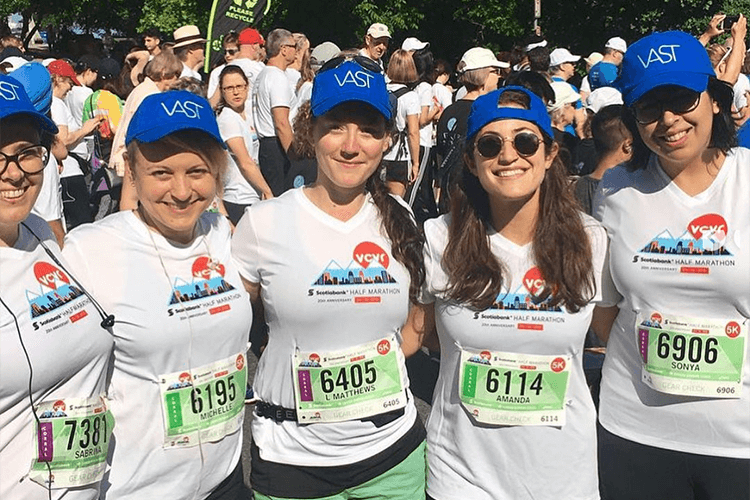
Founded on the conviction that ‘healing is an act of resistance’, for over 35 years VAST has employed a province-leading model of trauma-informed mental health service provision. We do not believe in working alone and our mission supports a range of advocacy and capacity building activities to strengthen BC’s mental health sector for newcomers, and encourage understanding of our work amongst government institutions. VAST is a convener of voices with lived experience of torture and trauma, and an influential advisor to multiple levels of policy makers and practitioners.
OPEN POSITIONS
We are looking for a minimum of a 6-month commitment from a Volunteer. This is the amount of time that it takes to get to know our work, clients, team, and for them to develop comfort with a new person, and for you to become high functioning in your role and for the training we provide you to be a smart investment for all.
If you are interested in volunteering with VAST, let's apply it!

Amelia
Secretary

Katherine
Board Member
Matthew
Co-Chair

Muna
Board Member
Samira
Board Member
Samuel
Board Member
.jpeg)
Sediqa
Board Member

Airam
Community Engagement Team Worker

Atousa
Associate Director
Basir
CET Farsi & Dari

Elena
Expressive Arts Therapist

Farooq
Editor In Chief of Voices Against Torture
Frank
Executive Director
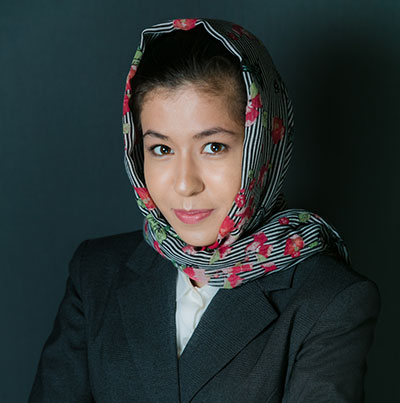
Hosnia
Community Engagement Worker and Interpreter

Jhevoi
Social Worker

Luke
Expressive Arts Therapist

Maria
Development Associate

Mariana
Clinical Supervisor
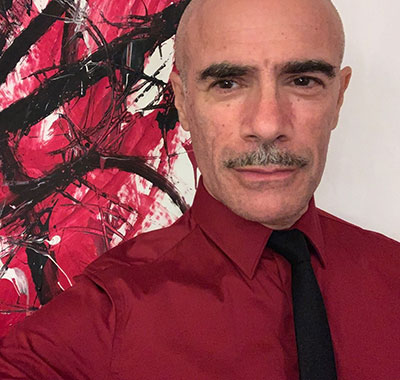
Matias
Expressive Arts Therapist and Clinical Counsellor
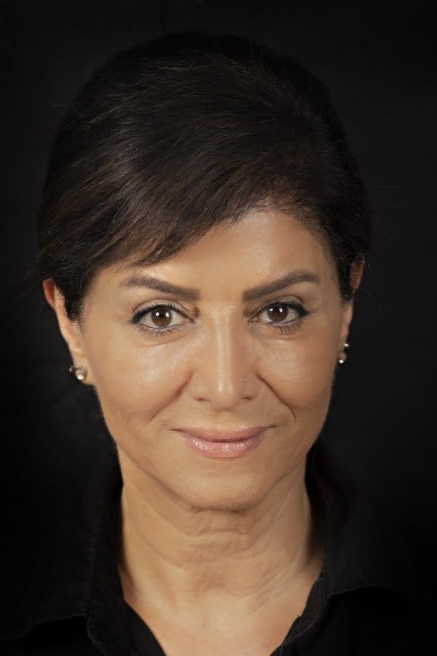
Maya
Community Engagement Team Worker - Farsi & Dari

Nasra
Development Manager
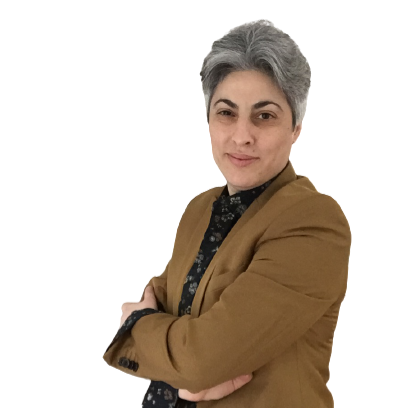
Rawan
Community Engagement Worker and Group Facilitator
.jpg)
Sediqa
Community Engagement and Research Worker
Alka
Business Strategist
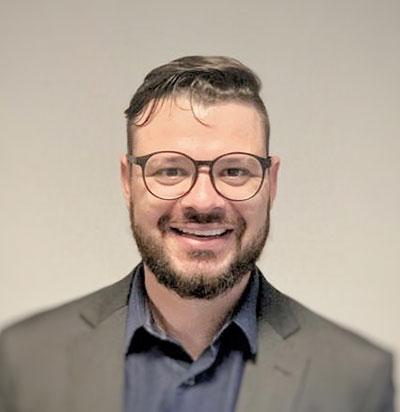
Anderson
Website Designer

Carolina
Youth Outreach Associate
Debi
Group Co-Facilitator
.jpg)
Fatima
Co-facilitator for Survivors Advocate Program

Harkiran
Outdoors Coordinator
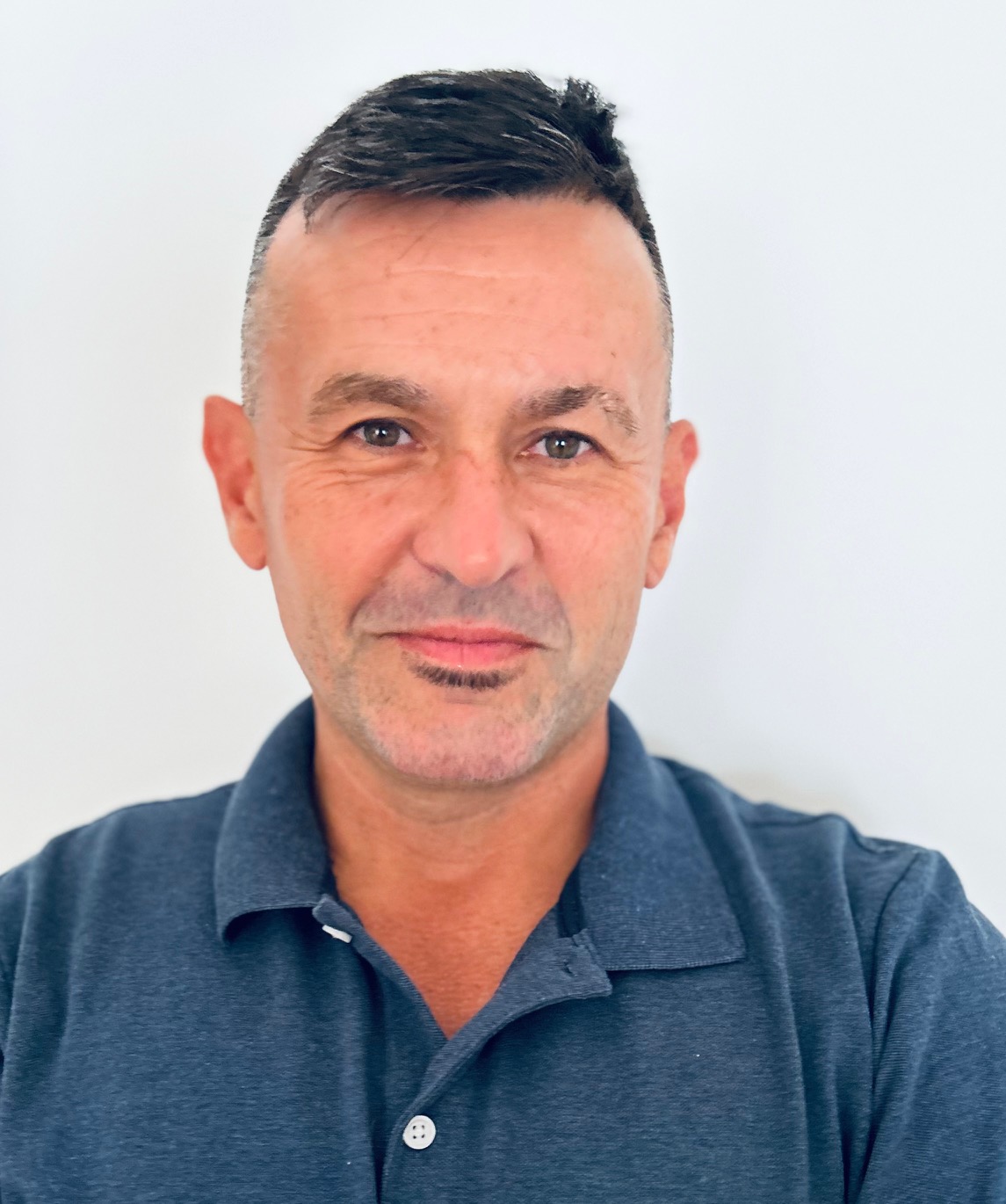
Hugo
Clinical Consellor
Jamal
Clinical Consellor

Justin
Co-facilitator for Survivors Advocate Program

Laura
Outreach Associate

Minoo
Clinical Counsellor

Tetiana

Yaimel
Graphic Designer
Celyne
Interpreter
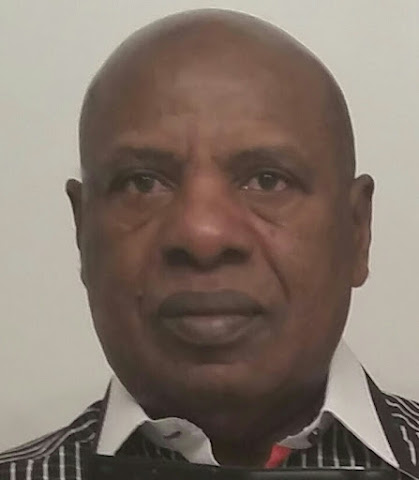
Faustin
Interpreter
Hasti
Interpreter
Heyin
Interpreter

Ibrahim
Interpreter
Jagjot
Interpreter

Jolie
Interpreter
Lauren
Interpreter
Marian
Interpreter

Maria Victoria
Interpreter

Nizar
Interpreter
Olena
Interpreter
Ozlem
Interpreter
Samsam
Interpreter
Spozhmay
Interpreter
.png)
Andres
Volunteer
Hanwei
Voices Against Torture
Jagdeep
Community Kitchen
James
Voices Against Torture

Leila
Voices Against Torture
Moustafa
IT Support

Rahul
Psychiatrist

Wakana
UX/UI and Web Designer
Fizza
Editorial Board Member
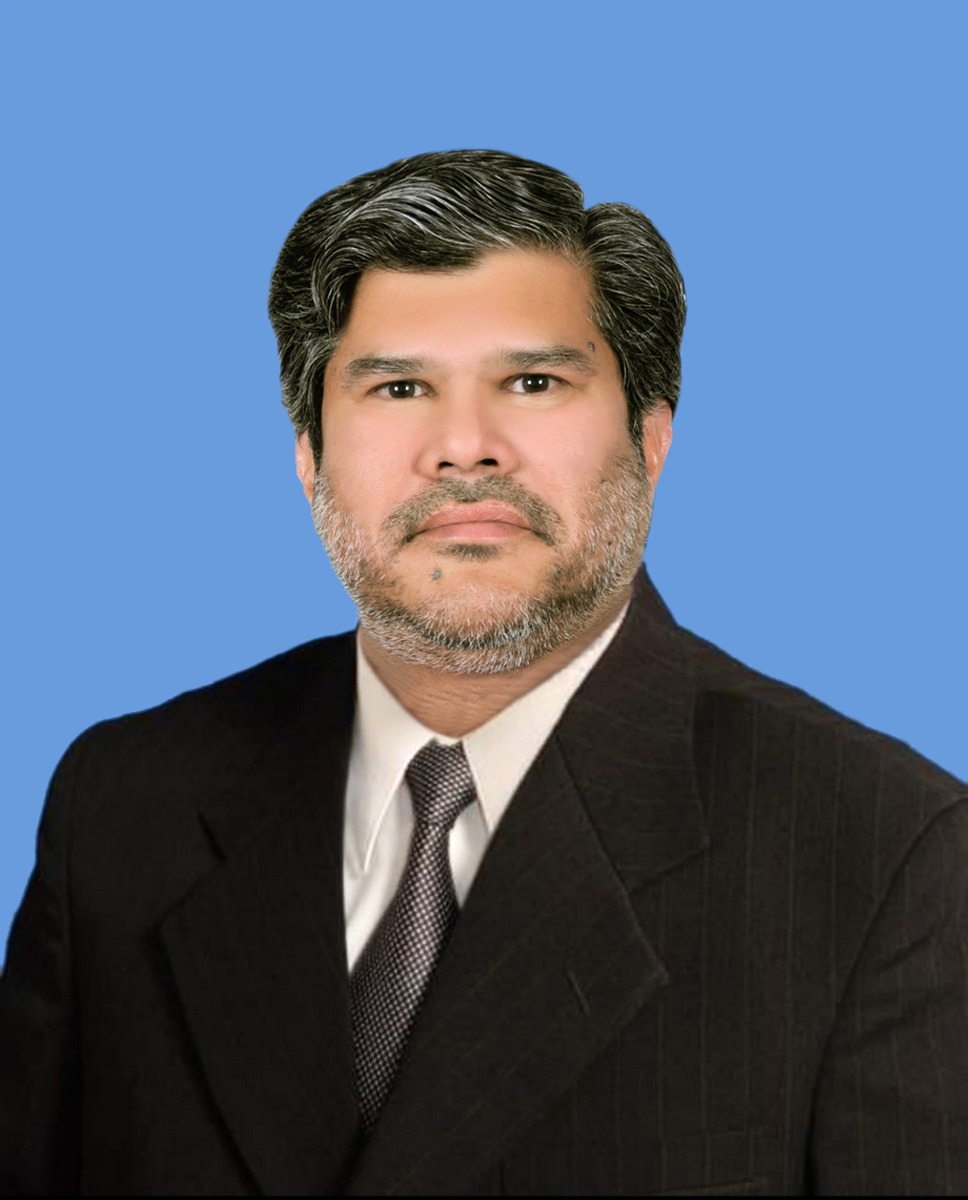
Hammad
Editorial Board Member
Malik
Editorial Board Member

Patrick
Editorial Board Member
Poulomee
Editorial Board Member
Rubina
Editorial Board Member
Shazia
Editorial Board Member
Wajid
Editorial Board Member
Since 1986, VAST has had hundreds of committed, skillful volunteers helping to bring our mission to life. Below is a short alphabetical list of some of our volunteers. If you have been a volunteer in the past, we would love to hear from you, please reach out to our ED: frank@vastbc.ca